Incoming material
Part numbers, package information, quantities, photographs, and the incoming condition help establish the starting point. For previously processed material, earlier test results or process history may also be relevant.
DRAM IC processing, memory PCB and module manufacturing. Every project starts with the actual part, the intended result, and the checks that matter.
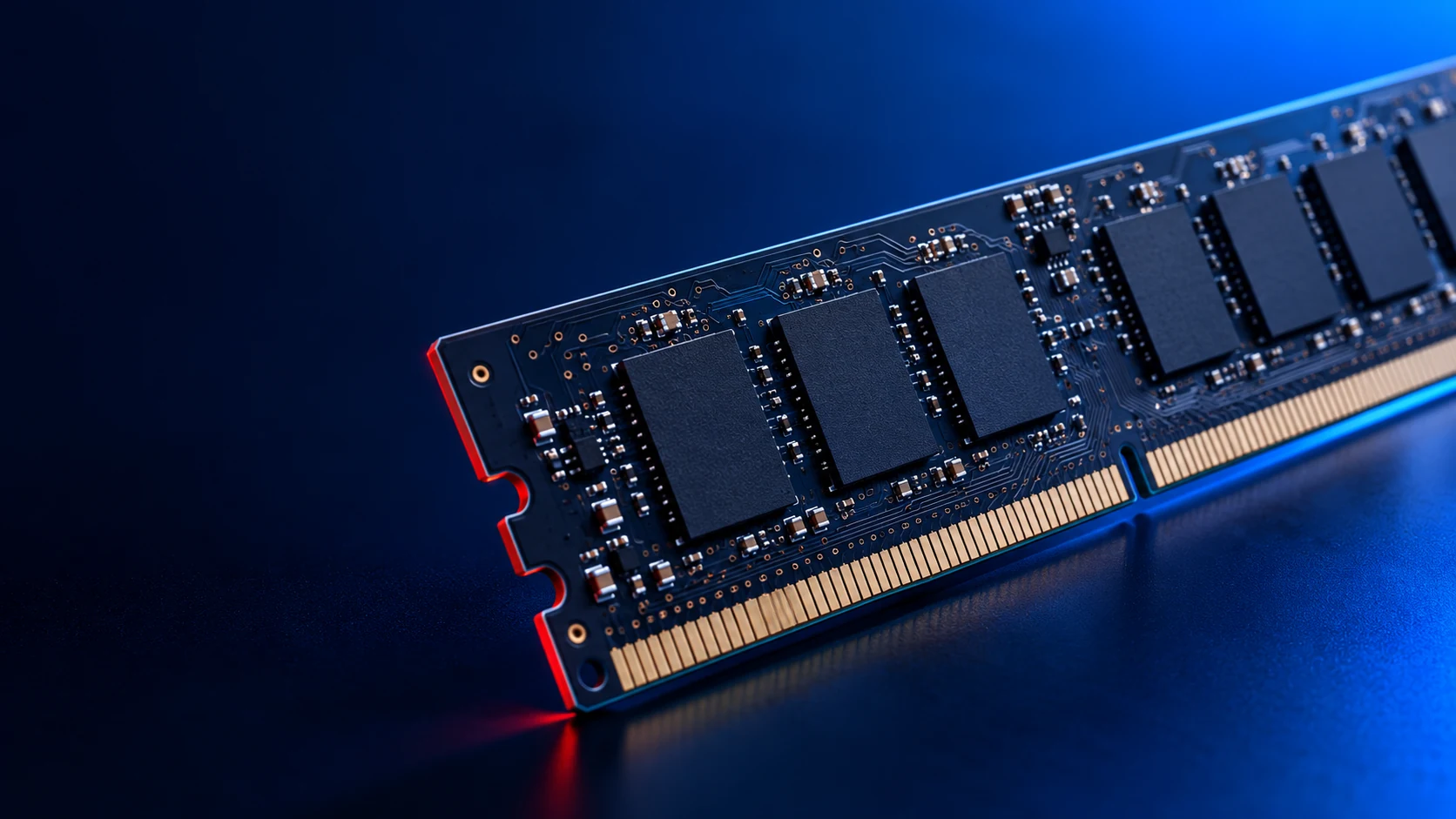
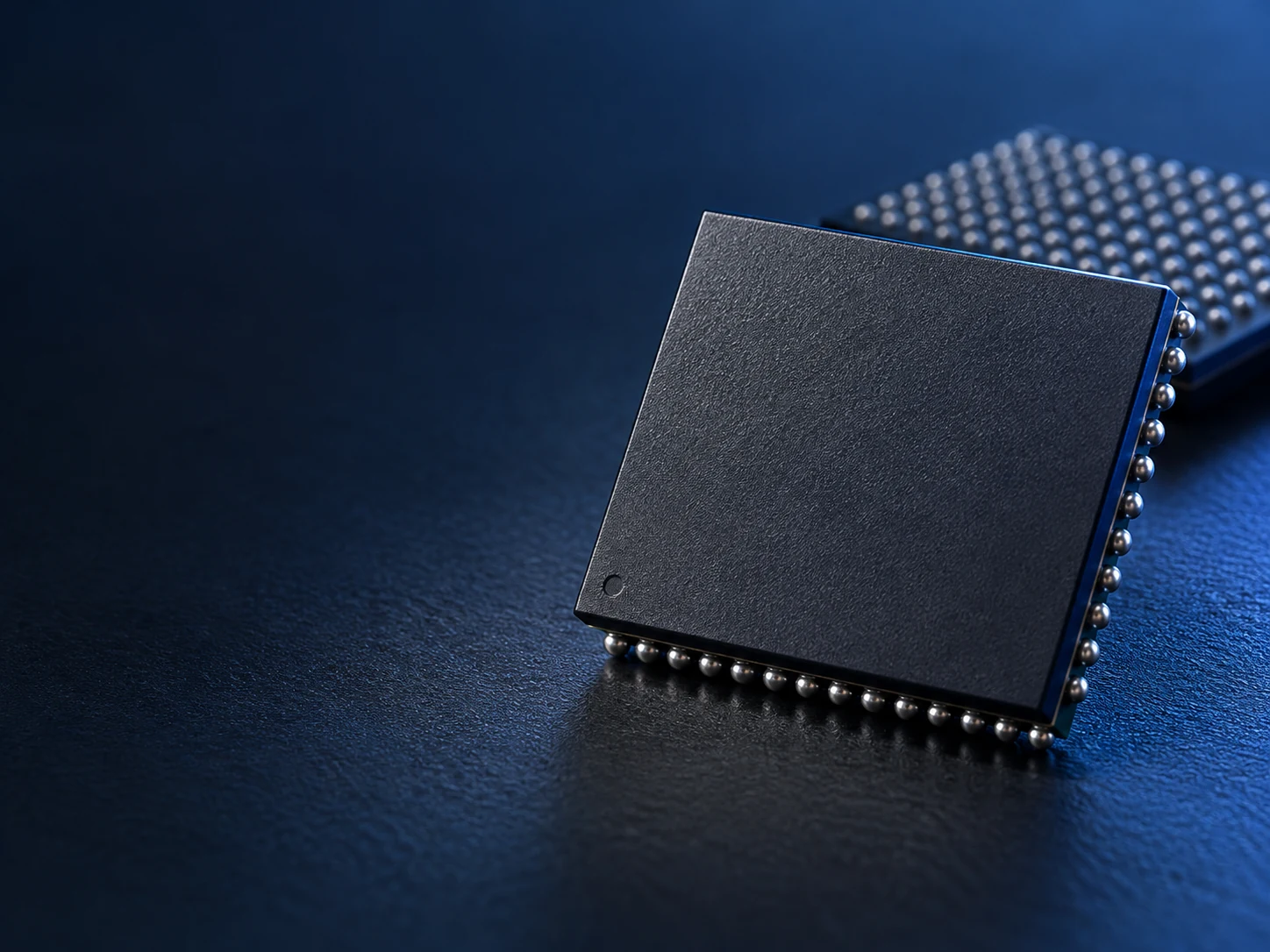 DRAM IC / ILLUSTRATIVE VISUAL
We provide DRAM IC reballing, mechanical surface grinding and laser remarking, configuration conversion, and testing. Our memory PCB and module manufacturing capabilities support projects that extend beyond the chip.
We work with sourcing and engineering teams to confirm the incoming part, target result, and acceptance requirements. From there, we can agree on the process and delivery scope.
View all servicesSpecialist services that can stand alone or connect across a memory product program. Each project is reviewed against its own materials, specifications, and intended use.
Reballing, surface grinding and laser remarking, configuration conversion, and IC testing.
PCB design, development, and manufacturing for memory products.
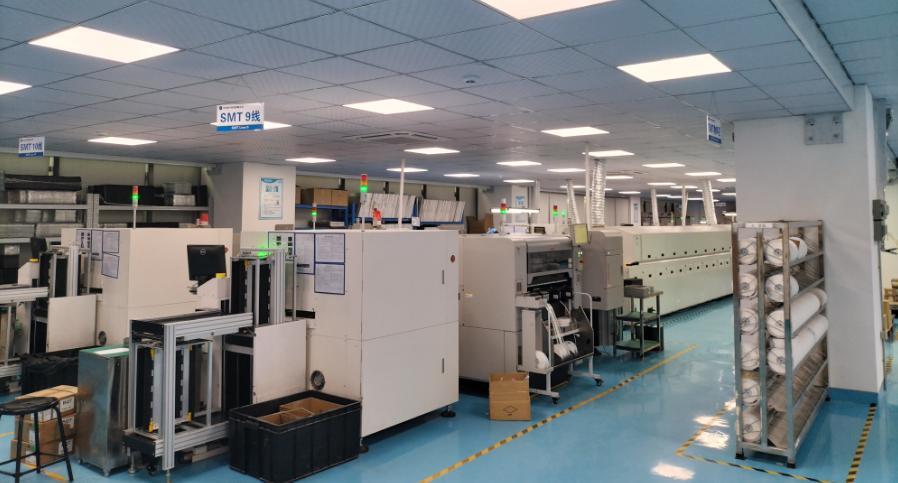
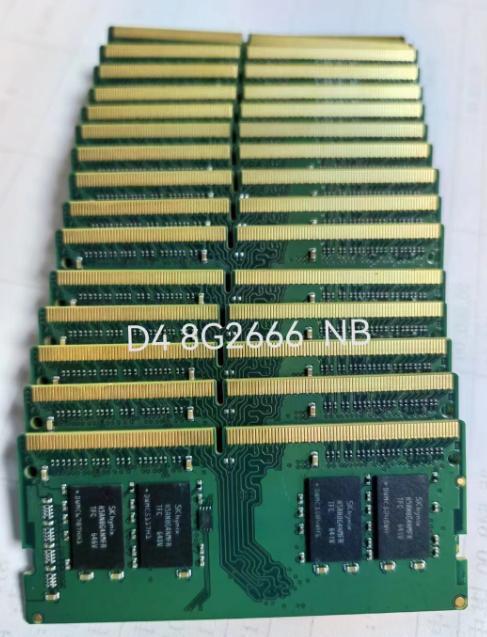
SMT assembly and related manufacturing for DDR3 and DDR4 memory modules.
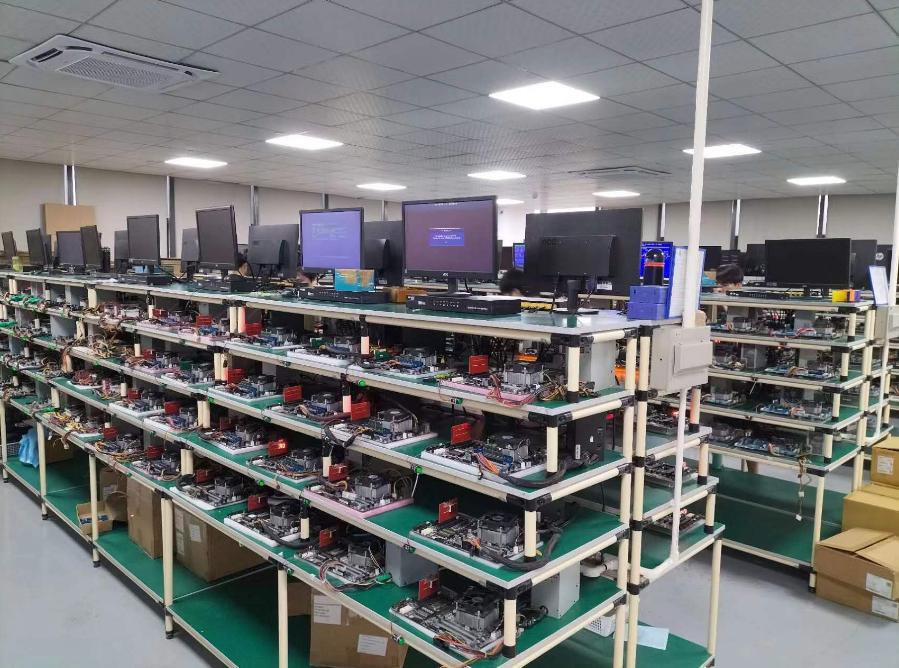
Memory module testing and repair, with the work scoped to the reported issue.
A brief description is enough to begin. Part details, the intended result, and acceptance needs help us define the work together.
Part numbers, package information, quantities, photographs, and the incoming condition help establish the starting point. For previously processed material, earlier test results or process history may also be relevant.
The target ball array, approved marking, desired organization, module specification, or reported issue gives the work a clear purpose. For configuration conversion, the original and target device specifications need review.
Inspection points, test scope, samples, records, and acceptance criteria can be defined for the particular job. The goal is a shared understanding of what the completed work should demonstrate.
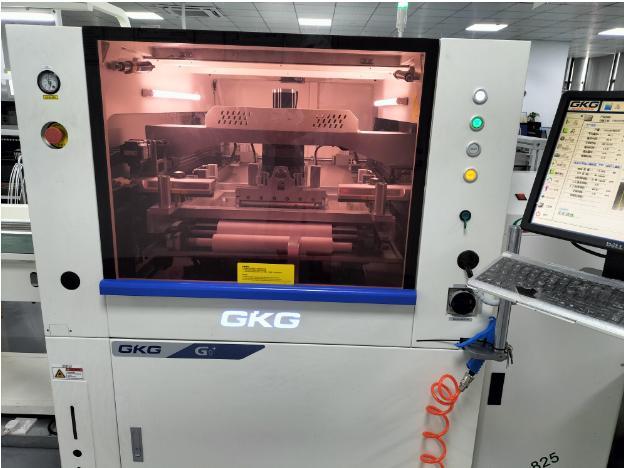
SMT WORKSHOPOur memory module process brings together solder paste printing, component placement, reflow soldering, optical inspection, and board separation. Explore our workshop and see where each machine fits.
DRAM IC processing has its own requirements. We review the part number, package, and intended result before agreeing on the process and checks for a chip project.
Explore our equipmentStep inside our SMT and testing areas to see the equipment behind memory module production.
We review the incoming part and target result, agree on the processing and acceptance requirements, then complete the defined work and checks.
Confirm the part, incoming condition, intended use, and target result.
Define the processing route, samples, inspection points, and acceptance criteria.
Carry out the agreed chip processing, PCB work, or module manufacturing.
Complete the agreed checks and hand over the material and records.
See the equipment we use in memory module manufacturing. The gallery follows the production sequence from solder paste printing through placement, reflow, inspection, and separation.
See the equipment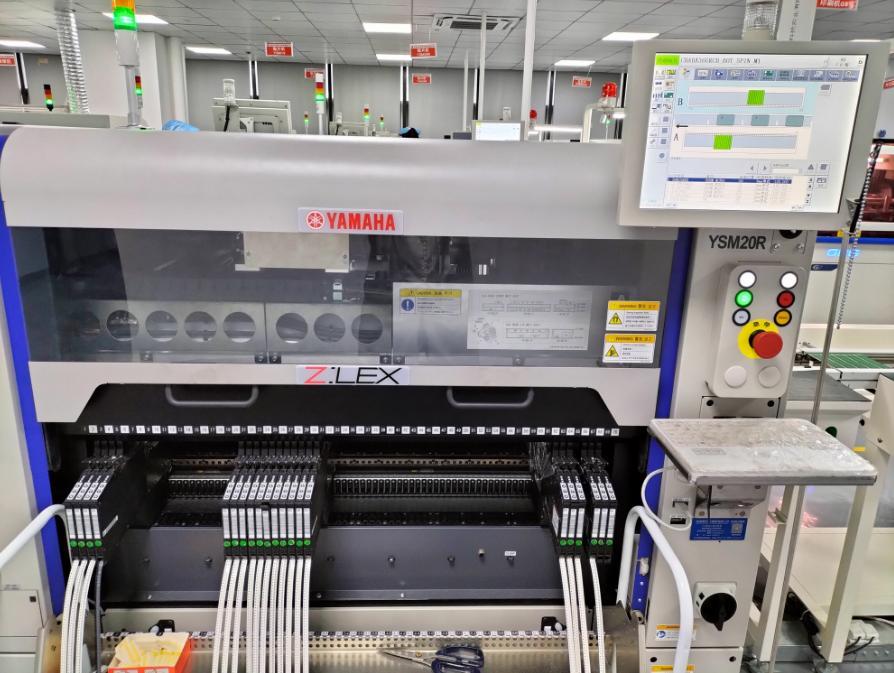 YAMAHA YSM20R / PLACEMENT
We share the English-language certificate scans issued to Dongguan Tiancun Electronic Technology Co., Ltd. Their stated scope is “Processing of memory strips.”
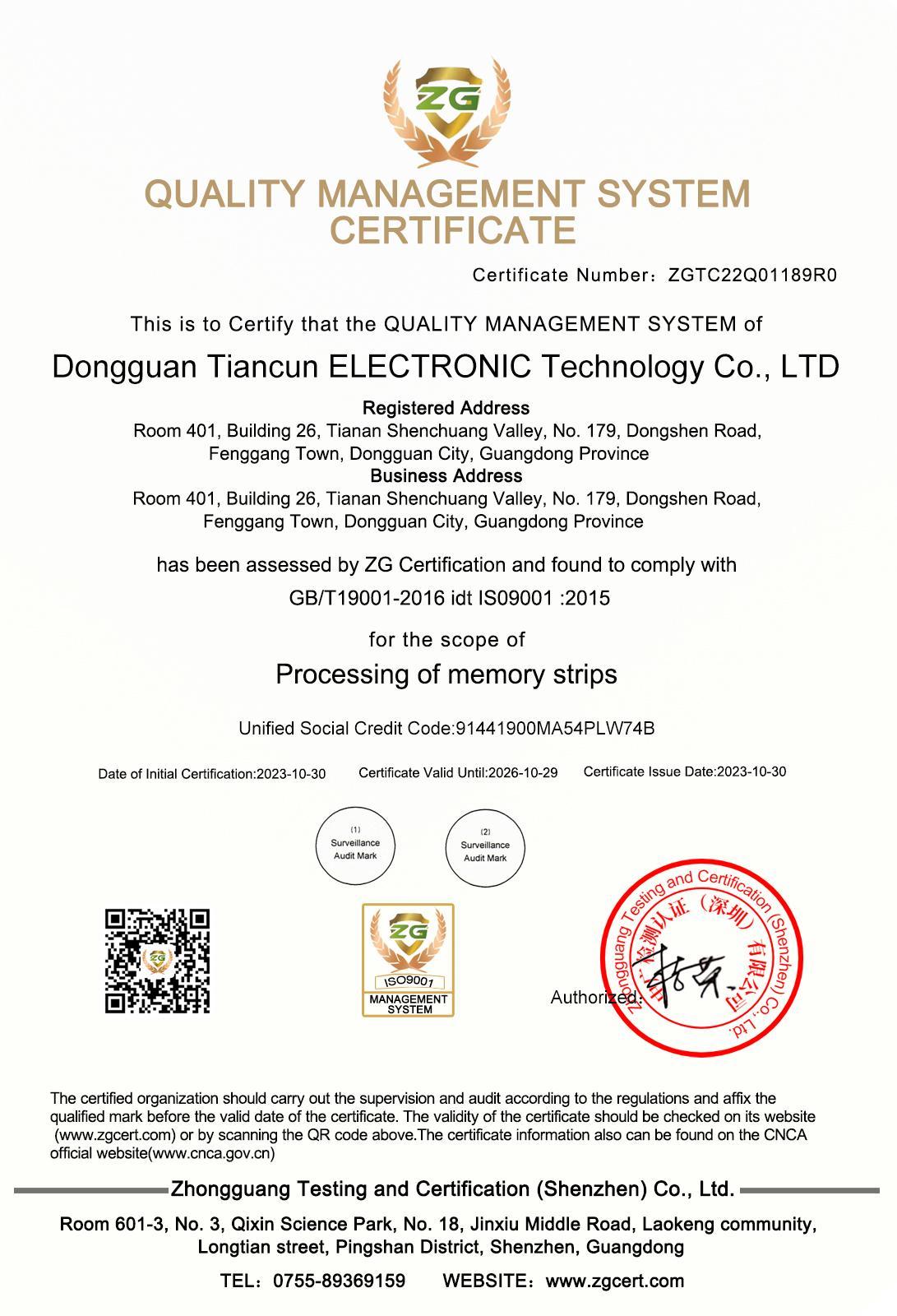
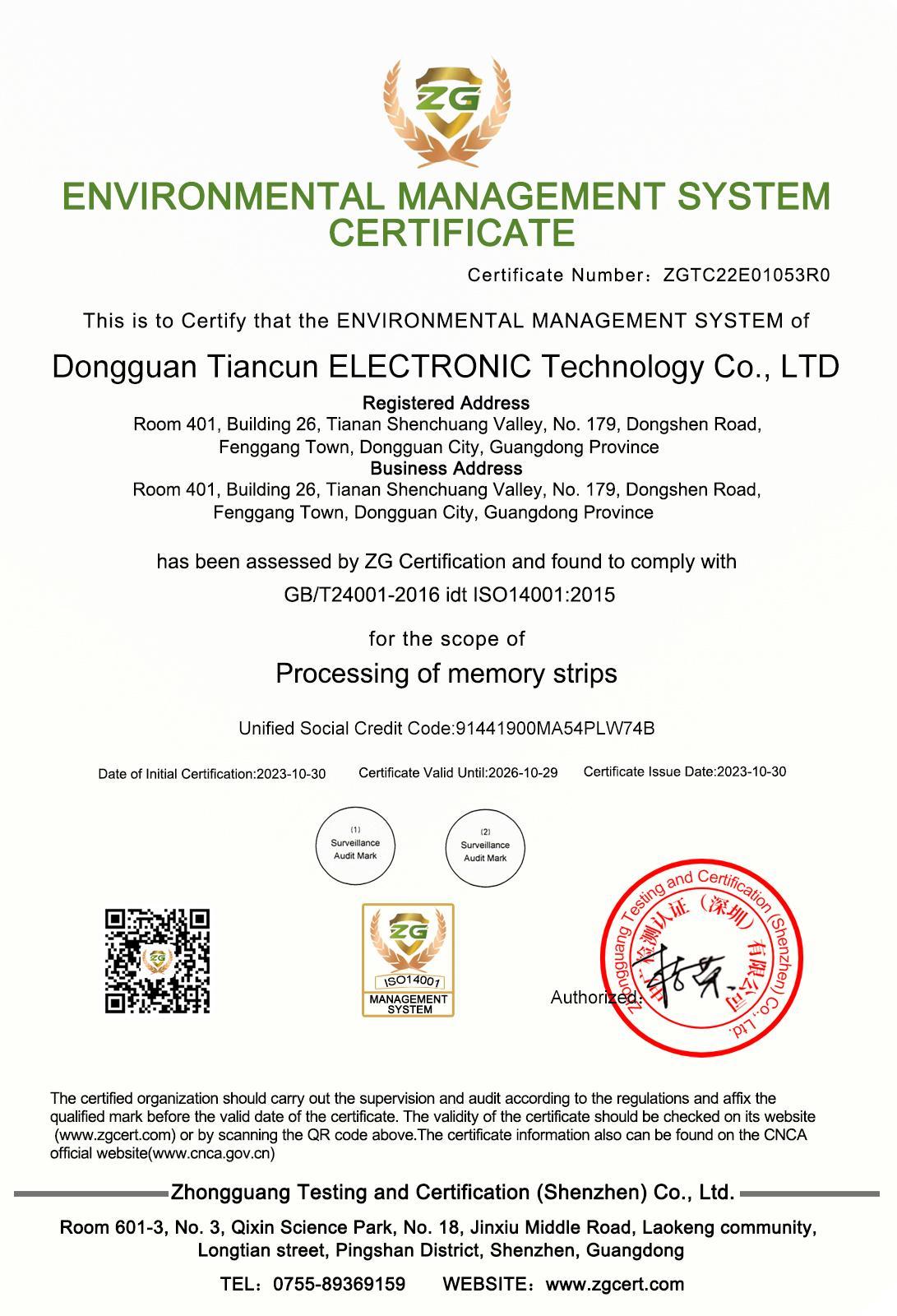
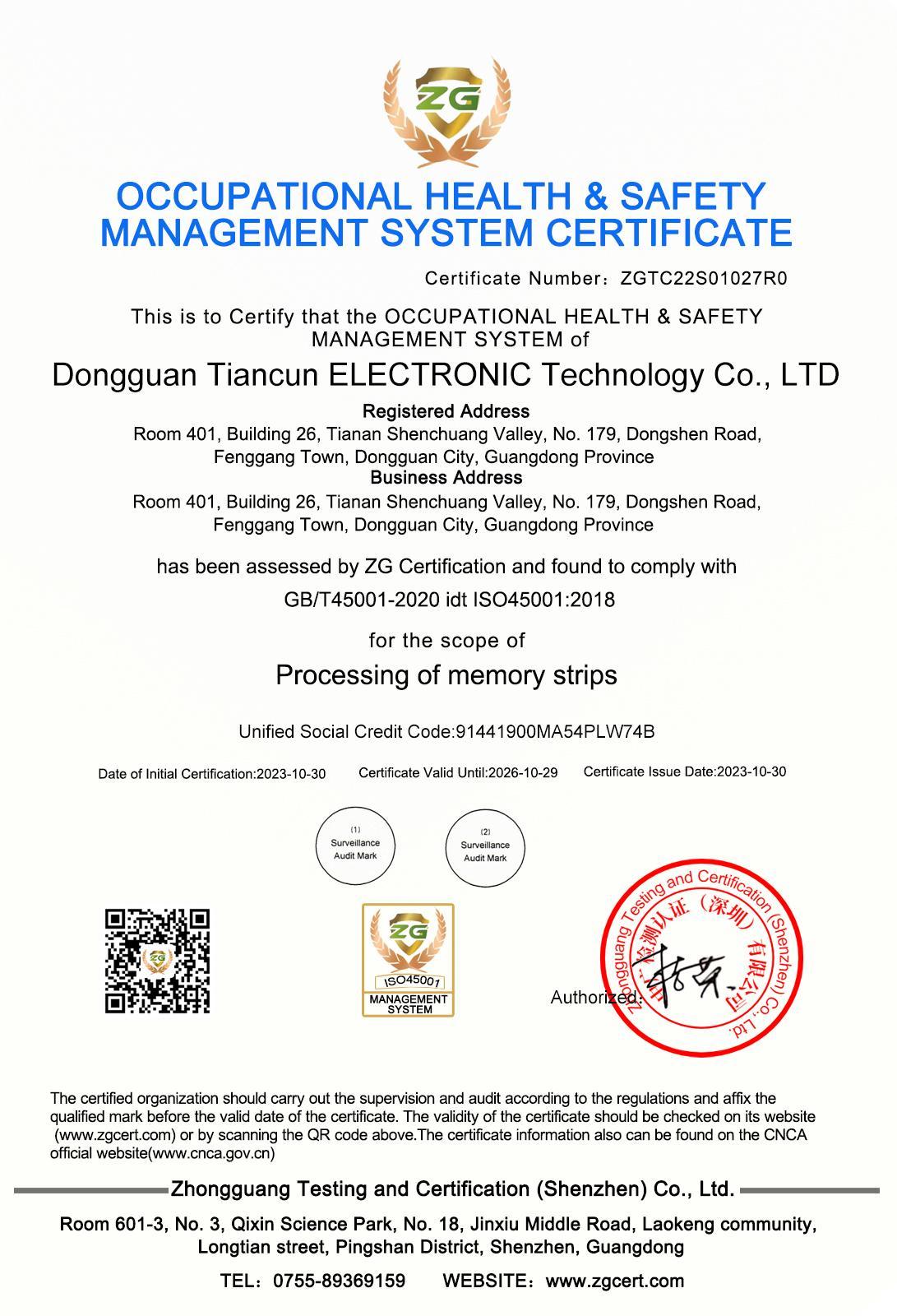
The scans show a valid-through date of 29 October 2026. Current renewal status is still being verified; see the certificate page for the stated scope and dates.
View certificate detailsProject feasibility depends on the exact part and intended result. These answers explain how an initial discussion typically begins.
Yes. You can discuss reballing, surface grinding and laser remarking, configuration conversion, or testing as a separate service. We confirm the scope against the device and its condition.
We review the original part number, target requirements, and sample or validation needs before recommending a route.
We remove the existing package mark mechanically, then laser mark the approved information. We check the new mark against the true device identity and agreed processing details.
A part number, package photos, quantity, incoming condition, target result, and any test or acceptance requirements are useful. A short description is enough to start a conversation.
We welcome inquiries about a single IC processing step or a connected PCB and module project.
Contact Tynsen