
Material review
Confirm the PCB revision, DRAM package and organization, other components, and any customer-supplied material.
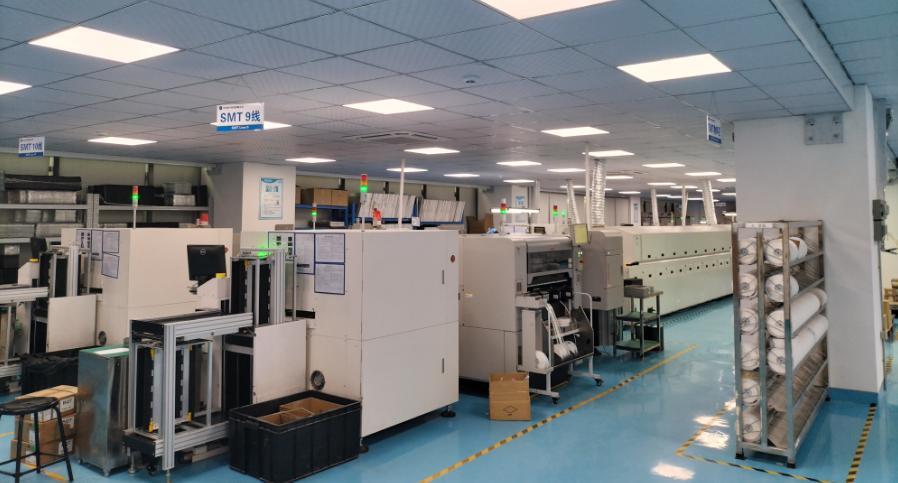
We assemble memory modules through connected SMT steps, from solder paste printing and placement to reflow, inspection, and board separation. Our DDR3 and DDR4 module examples show the products behind this work.
 Tynsen photo
Depending on the product, assembly may include solder paste printing, component placement, reflow, inspection, and board separation. Process and inspection requirements are set against the target module.
Solder paste printing
DRAM and component placement
Reflow soldering
Optical inspection
Board separation and testing
Module manufacturing begins with a defined product. Board revision, component selection, BOM, assembly drawings, quantities, and intended test or acceptance requirements provide the foundation for planning.
Confirm the PCB revision, DRAM package and organization, other components, and any customer-supplied material.
Review stencil, placement, reflow, handling, and inspection needs against the approved module.
Define the applicable inspection and functional test approach for the specific module and intended application.
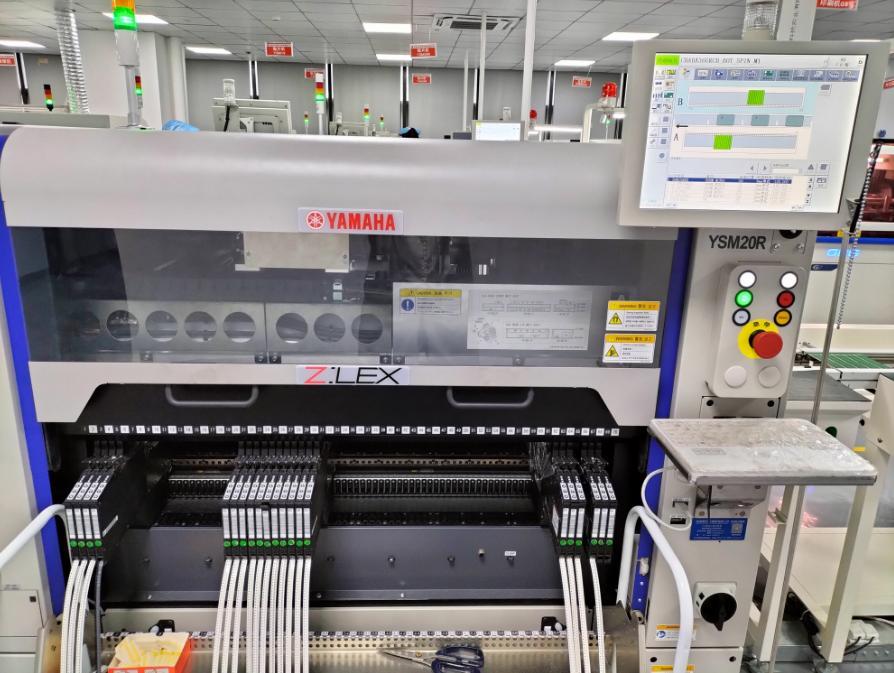
See the Yamaha placement machines, GKG solder paste printer, reflow equipment, AOI, and depaneling equipment used across our module manufacturing process.
The photographs below show DDR3 and DDR4 module examples. For a new build, we confirm the target specifications, materials, and acceptance requirements with you.
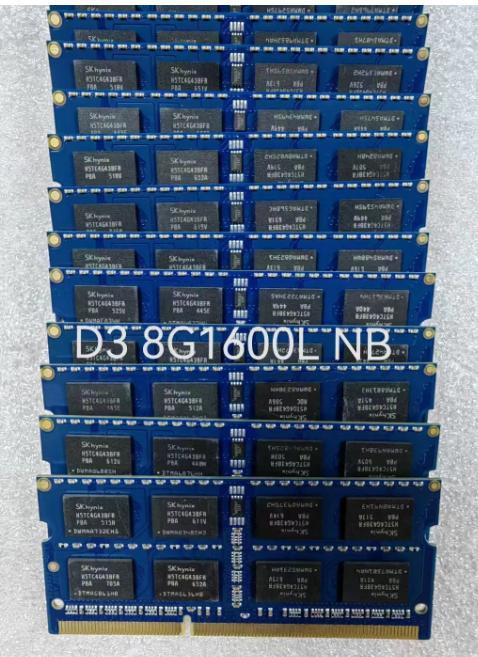
A DDR3 module example; exact configuration and availability are confirmed for each inquiry.
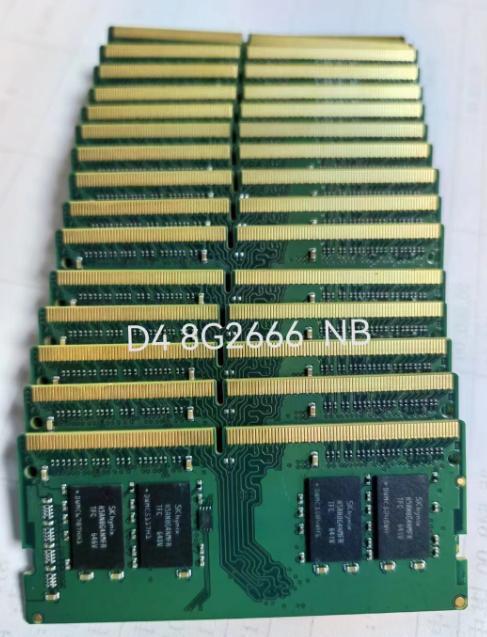
A DDR4 module example; the target build is defined by the project requirements.
We welcome a conversation about your memory project.